

Community Stakeholders Confront Drivers of Youth Violence During Human Security Consultation on Summer Intervention Initiative
Community leaders, parents, youth advocates, educators, camp organisers and other stakeholders gathered on Wednesday evening for a candid national discussion on youth violence, gang recruitment, and the growing social and economic impact of crime as the National Secretariat for Human Security and Wellbeing continued consultations on its upcoming Own Your Summer initiative.
The consultation, held on 6th May, 2026, at the National Solid Waste Management Authority Conference Room, was led by the Secretariat’s Acting Programme Director Hance Richards and Coordinator, Eartha Carey, as part of the Secretariat’s ongoing engagement process under the broader Summer of Intervention programme.
The session focused on identifying practical solutions to keep young people positively engaged during the summer months, while also confronting some of the deeper issues affecting communities across St. Kitts and Nevis.
Mr. Richards shared research and data highlighting the heightened vulnerability of young people during the summer period, noting that the break from school often coincides with increased exposure to gang recruitment, antisocial behaviour, and risky social environments.
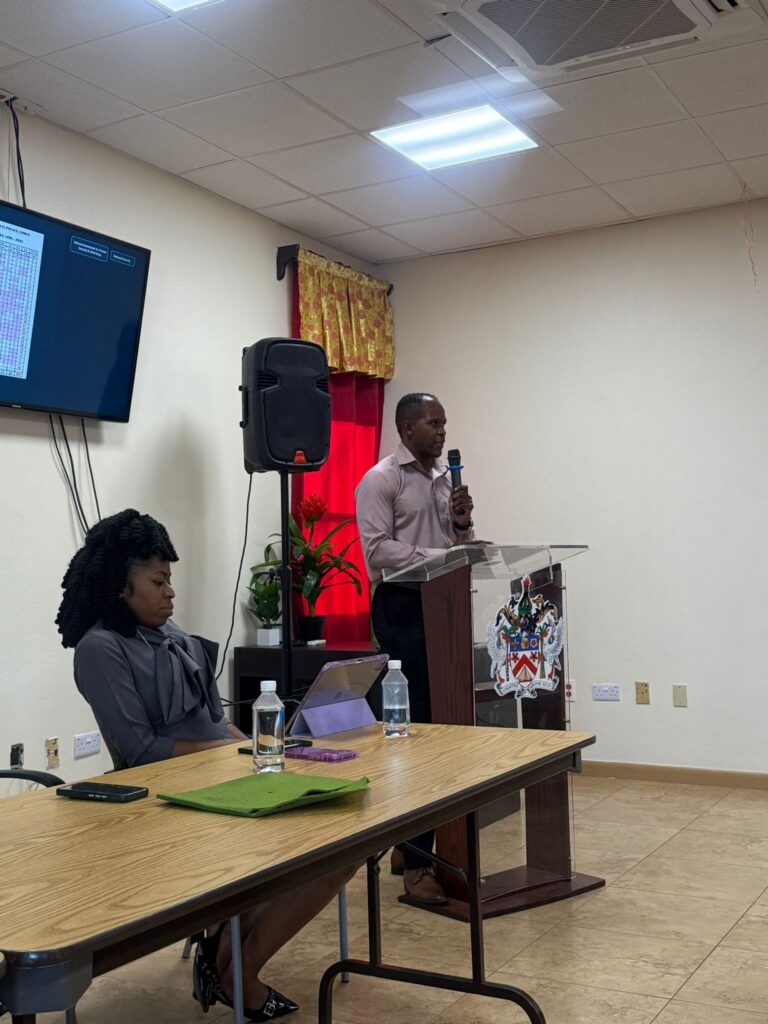
Participants were also presented with sobering statistics on the financial and social impact of violent crime in the Federation. Discussions highlighted the enormous public cost associated with homicides and gun violence, including funeral expenses, emergency response, long-term medical treatment, and the burden placed on the healthcare system.
The consultation heard that treatment for a single gunshot victim at the Joseph N. France General Hospital can cost taxpayers between $100,000.00 and $150,000.00, placing significant strain on national resources that could otherwise be directed toward development initiatives, education, and community support programmes.
Mr. Richards further disclosed that over the last two decades, gun related homicides have cost the state more than $30 million in funeral expenses alone.
Much of the discussion moved beyond statistics, however, and focused on the underlying realities driving violence and antisocial behaviour among young people.
Participants spoke openly about the attraction some youths feel toward gangs and criminal groups, particularly where these groups appear to offer status, belonging, financial opportunity, protection, and identity. Others pointed to the growing impact of social media, music, peer pressure, family instability, economic hardship, and the absence of structured opportunities for young people, particularly during periods of idleness.
Several contributors stressed that interventions must move beyond traditional lectures and instead create programmes aligned with the actual interests and aspirations of young people.
Suggestions included expanding opportunities in music, sports, digital media, agriculture, technology, entrepreneurship, and vocational skills training.
There were also repeated calls for greater support for parents and stronger collaboration between schools, churches, community groups, businesses, and government agencies.
Throughout the evening, participants emphasised that many struggling families remain largely invisible and that some young people are navigating emotional, social, and economic pressures that are not always immediately apparent within their communities.
Ms. Carey noted that the Secretariat’s work is grounded in sustained engagement and partnership with communities rather than one-time interventions.
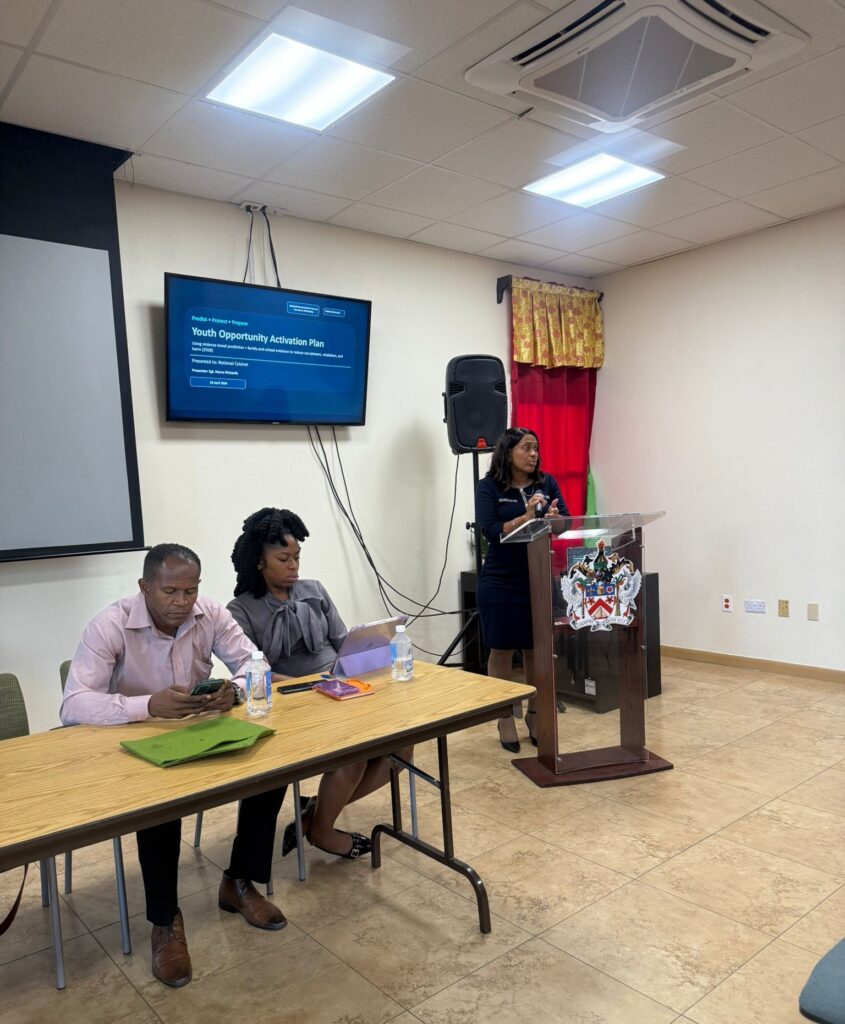
“We cannot approach these issues as though there is a single solution,” she stated during the discussion. “This requires consistency, collaboration, and the involvement of families, communities, institutions, and young people themselves.”
The Own Your Summer initiative forms part of the Secretariat’s wider Summer of Intervention programme and targets young people between the ages of 13 and 20. The initiative is being developed in collaboration with faith-based organisations, community groups, summer camps, businesses, sports organisations, and other stakeholders.
The programme aims to provide structured and constructive opportunities throughout the summer period, including mentorship, educational support, sports and recreation, skills development, creative activities, internships, and job attachment opportunities.
The consultation also reinforced the Secretariat’s all-of-society approach, which recognises that sustainable reductions in crime and violence require long-term collaboration across every level of society.
The next Community Conversation – Own Your Summer 2026 engagement is scheduled for Tuesday, 12th May, 2026, at 5:30pm at the Old Boys’ School on Victoria Road. Parents, community organisations, businesses, youth leaders, and interested members of the public are encouraged to attend and contribute to the ongoing national discussion.
The National Secretariat for Human Security and Wellbeing continues to advance a coordinated, community-driven approach to violence prevention, youth development, and national wellbeing across St. Kitts and Nevis.
-END-
The post Community Stakeholders Confront Drivers of Youth Violence During Human Security Consultation on Summer Intervention Initiative appeared first on SKNIS.